THAC – The Human Aspect, Bern, develops thinking and tools on how people, institutions and trust hold together under pressure – and how they can be strengthened. At its core is the Relational Systems Framework (RSF). THAC makes this thinking available through open tools, working papers and training, and accompanies its application where organisations ask for it.
Where THAC comes from
In fragile contexts, people live with insecurity, war, displacement and loss. These experiences affect elections, education, reconstruction, the reintegration of former fighters and the durability of peace. Political processes and development initiatives depend on the people who carry them.
THAC was founded in 2015 as the Trauma Healing and Creative Arts Coalition, out of the need to put people at the centre: not as beneficiaries of programmes, but as those whose experience and participation shape whether change can take root.
It grew out of cooperation and shared concern with partners who work every day with people affected by war and violence:
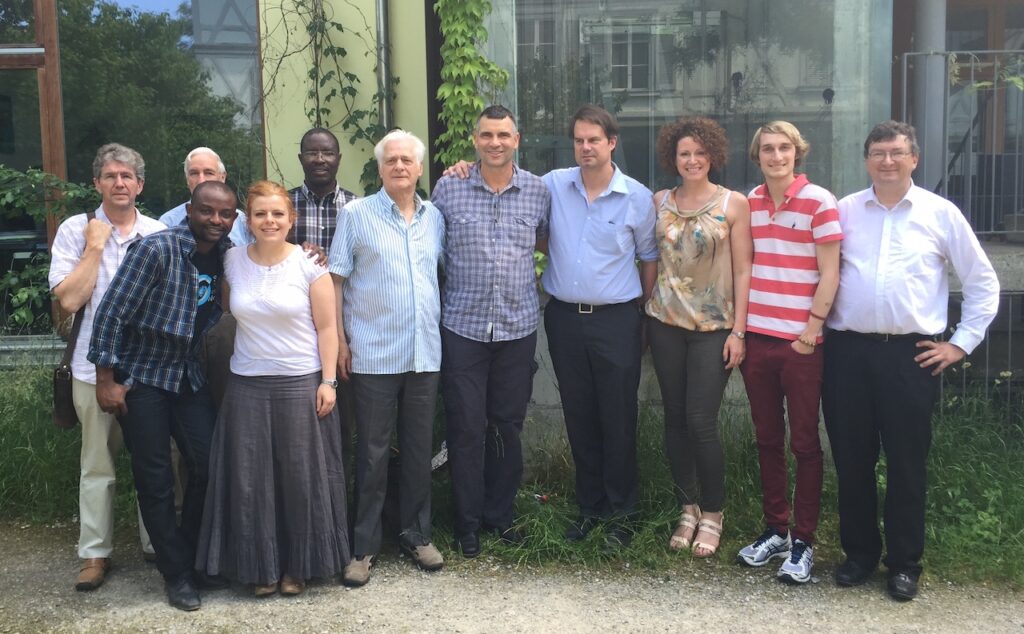
THAC founding, Bern 2015
- THARS, Burundi – founded by David Niyonzima, who has launched trauma healing and reconciliation work in a country marked by decades of civil war. A key partner from THAC’s founding.
- Paix pour l’Enfance, Democratic Republic of the Congo – founded by former child soldier Junior Nzita Nsuami, supporting former child soldiers, war orphans and widows. A key partner from THAC’s founding.
- Somali civil society organisations – working for young people, education and peace in a country shaped by decades of conflict. Key partners, but not present at THAC’s founding.
- IFOR Switzerland – the International Fellowship of Reconciliation, committed to nonviolence and reconciliation.
The Coalition’s art project, The Dragon in Me – Allosaurus Sapiens (2015), was a large steel sculpture by Peter Aeberhard that was given a raku-fired ceramic skin together with friends on the Bollwerk in Bern. It asked how traumatic experiences change body, mind and social behaviour – and how working through them can set creative resources free.
The founding of THAC was reported in the Berner Zeitung, 31 May 2015 (German, subscription).
How the practice developed
The work with these partners showed that the consequences of violence do not remain with individuals. They can affect trust between groups, how decisions are made, and how institutions behave towards the people they serve. Supporting individuals matters; it is more lasting when the conditions around them change too.
Rather than build another coalition alongside existing international processes, THAC chose to bring this understanding into them. It became The Human Aspect: a practice that develops this understanding into its own body of thinking and tools, and works on strategy, leadership, governance and mediation, where decisions are made that shape people’s lives. The perspective from which THAC began – putting people affected by violence at the centre, taking healing seriously and recognising what people create – stories, songs, images – as a source of dignity and change – still shapes its trauma-informed work in leadership and governance.
How THAC reads people, institutions and trust – the three dimensions, the conditions under which cooperation holds and the questions behind them – is set out on the Approach page. The Relational Systems Framework →
Working under pressure
THAC’s advice is professional and international, and it is not limited to fragile contexts. The approach draws on experience under insecurity, scarcity and conflict, and is relevant wherever organisations come under strain: institutional crises, polarisation, restructuring, security incidents or shocks that affect people and teams.
Before a crisis, THAC helps strengthen the conditions that let people and institutions withstand pressure: clear responsibilities, duty of care, trust within teams. In a crisis, it supports leaders, teams and parties in regaining orientation, restoring trust and finding a workable way forward.
Who is behind THAC
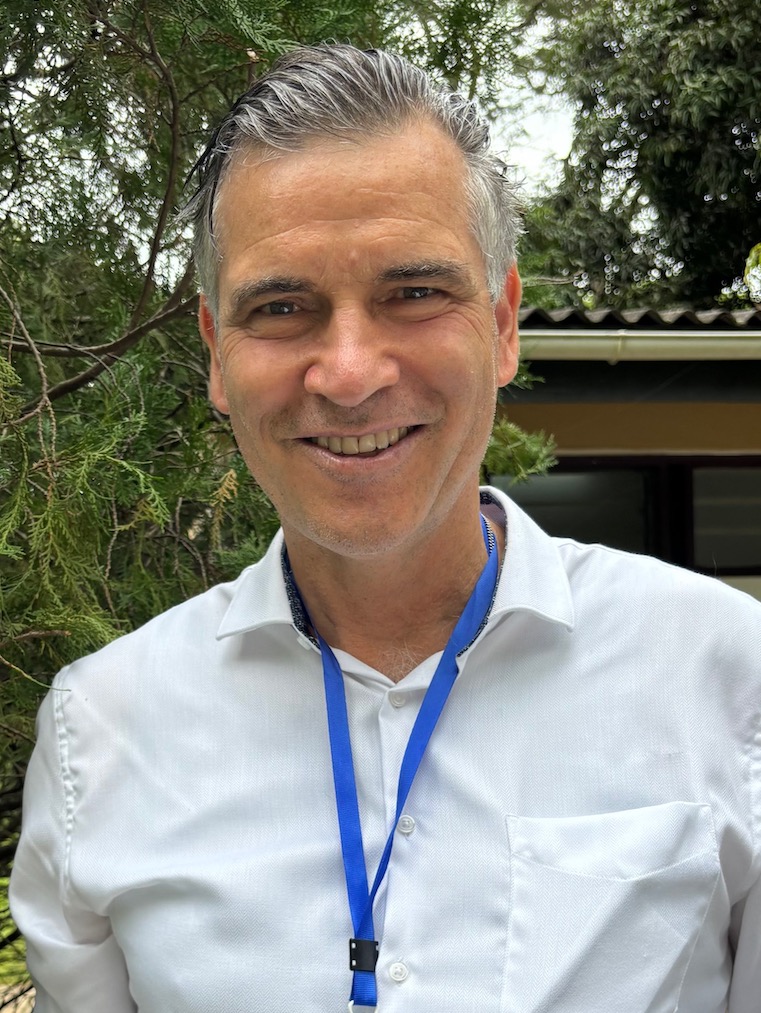
THAC is led by Peter Urs Aeberhard in Bern. He is a geographer and trained mediator. He has led programmes in East Africa for Caritas Switzerland and directed Fondation Hirondelle, an international media organisation. In the Swiss Federal Department of Foreign Affairs, he was political and strategic advisor for the Horn of Africa and the Great Lakes and supported senior leadership through strategic controlling, evaluation and policy coordination. He also coordinated a national civil society platform on migration and was primary author of a DCAF study on trauma in security sector governance. Since 2015 he has taught strategic leadership, mediation and trauma-informed leadership at the Institute for Peace and Dialogue in Basel. His further training includes the Harvard Program in Refugee Trauma.
All experience →
Why trust matters →
Papers →
Training →
Advisory →
Get in touch →